Condition-SpecificCare Programs
Diagnosis-Centered Care | Coordinated Around the Person
Care designed around the diagnosis. Services coordinated around the person to manage chronic conditions safely and comfortably at home.
Disease Based Care Programs
A care plan is difficult to implement when the necessary equipment or supplies are delayed, unavailable, or inappropriate for the patient.
Castor Medical Supplies works with the clinical and care-coordination teams to arrange required products, which may include:

Heart Failure and Cardiac Care
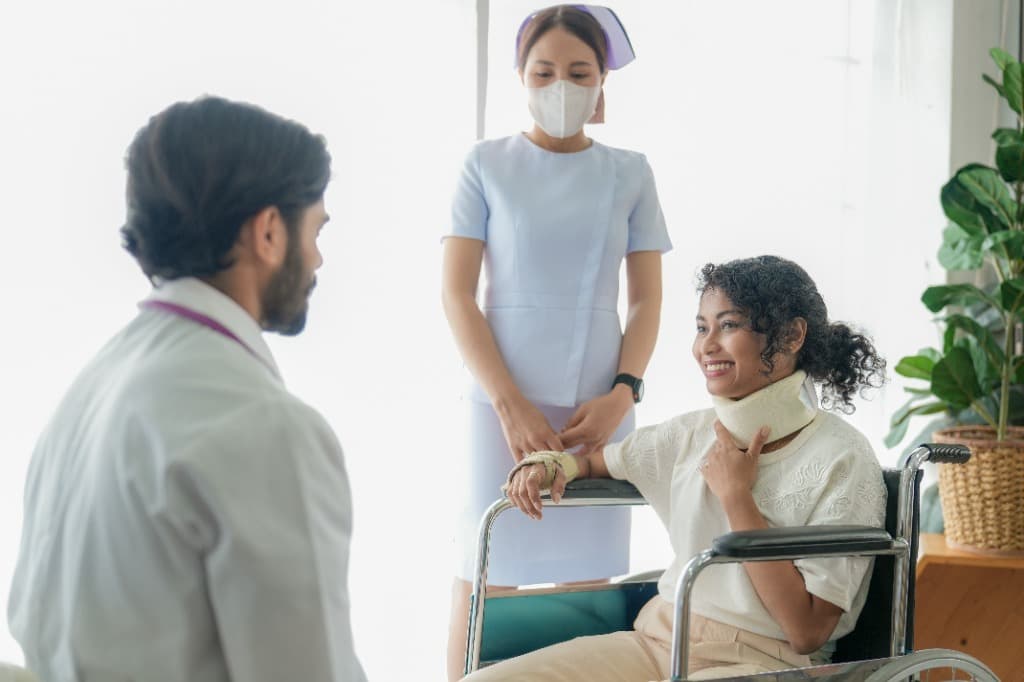
Patients with heart failure and other cardiac conditions may require close monitoring, medication education, dietary support, activity management, and early identification of changes that could require medical attention.
Program components may include
Program objective
Help patients and caregivers recognize changes early, follow the prescribed care plan, and reduce avoidable complications that may lead to emergency care or hospitalization.
COPD and Chronic Respiratory Care
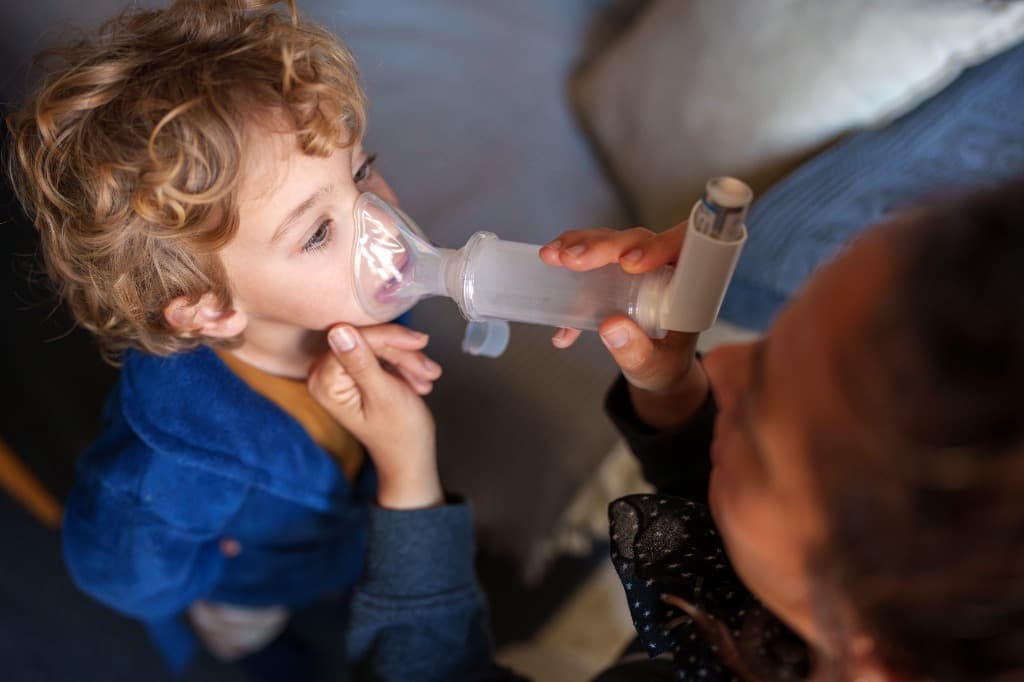
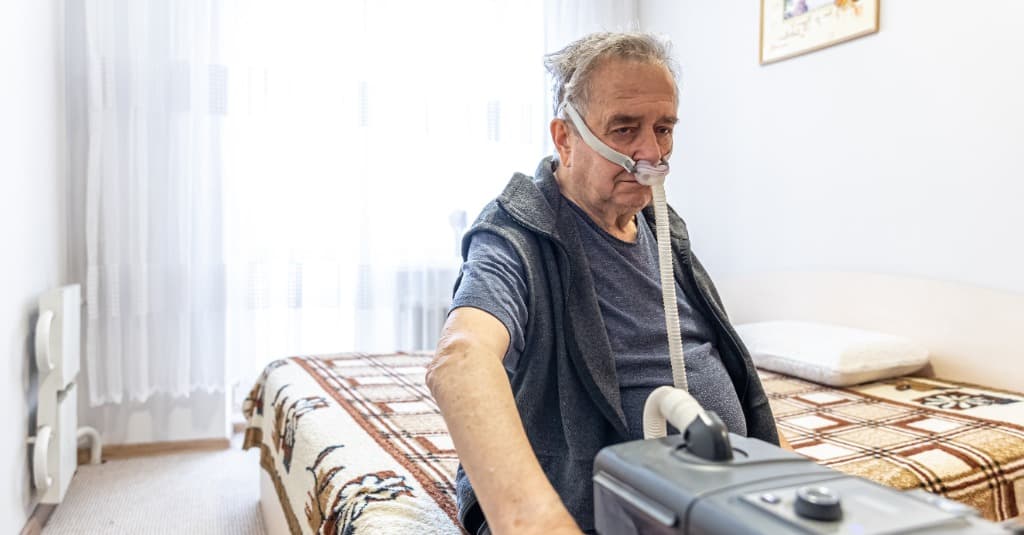
Patients with COPD and other chronic respiratory conditions may require skilled assessment, oxygen support, inhaler and nebulizer education, energy-conservation strategies, and assistance recognizing respiratory distress.

Program components may include
Program objective
Support safer respiratory management at home, improve adherence to the treatment plan, and promote early reporting of changes in condition.
Diabetes Management
Effective diabetes management requires more than checking blood sugar. Patients may need medication education, nutritional support, skin and foot monitoring, supply coordination, and help developing consistent daily routines.

Program components may include
Program objective
Help patients and caregivers understand daily diabetes management, use supplies correctly, recognize warning signs, and reduce preventable complications.
Stroke and Neurological Recovery
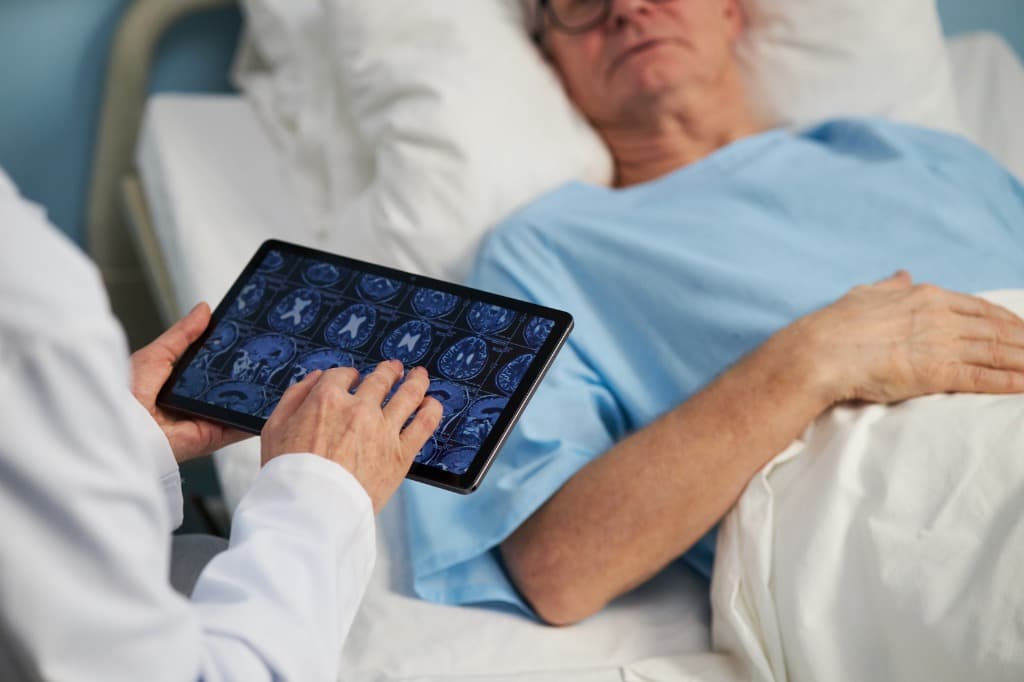
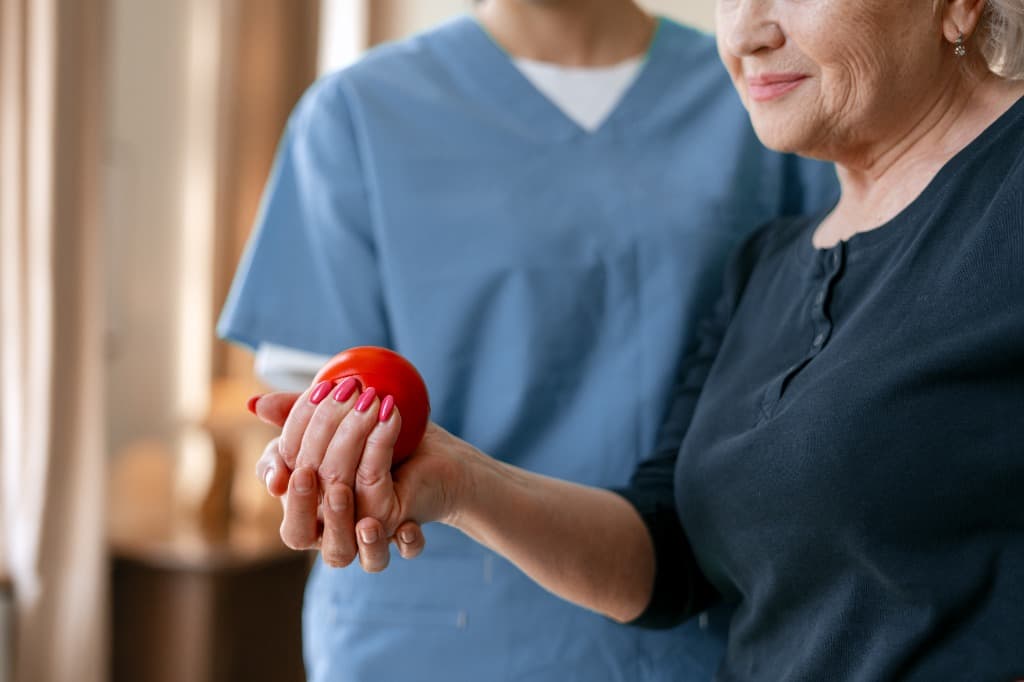
Patients recovering from a stroke or living with a neurological condition may experience weakness, communication difficulty, swallowing concerns, cognitive changes, impaired balance, and increased caregiver needs.

Program components may include
Program objective
Promote the highest practical level of independence, support recovery, and help caregivers manage mobility and safety needs at home.
Wound Care and Skin Integrity
Complex wounds require consistent assessment, appropriate products, pressure management, nutrition support, and communication among the patient's practitioners and care team.

Program components may include
Program objective
Support healing, prevent avoidable deterioration, reduce pressure exposure, and help patients and caregivers follow the ordered wound-care plan.
Orthopedic and Post-Surgical Recovery
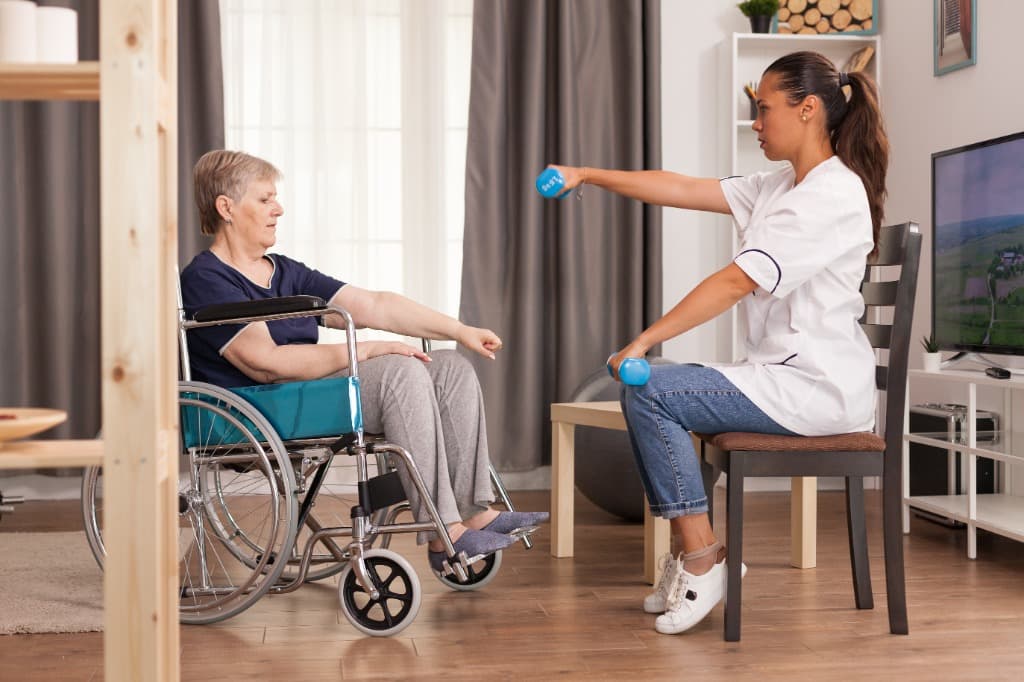
Patients returning home after joint replacement, fracture, spinal surgery, or another procedure may require nursing, rehabilitation, mobility equipment, pain-management education, and temporary assistance with daily activities.

Program components may include
Program objective
Support a safe transition home, help the patient follow post-surgical instructions, improve function, and identify complications that require timely medical attention.
Dementia and Cognitive Support
Patients living with Alzheimer's disease or another form of dementia may require structured routines, safety supervision, caregiver education, behavioral support, and help completing daily activities.

Program components may include
Program objective
Support dignity, familiarity, safety, and quality of life while helping family caregivers manage changing needs.
Renal and Dialysis Support
Patients with chronic kidney disease or receiving dialysis may need help managing medications, diet, vascular-access precautions, transportation, and symptoms that should be reported to the clinical team.

Program components may include
Program objective
Support adherence to the prescribed renal-care plan, improve coordination with dialysis providers, and reduce barriers to scheduled treatment.
Cancer and Complex Symptom Support
Patients receiving cancer treatment or managing advanced disease may require medication support, nutrition assistance, symptom monitoring, personal care, equipment, and transportation.
Program components may include
Program objective
Help patients manage treatment-related needs, remain supported at home, and maintain comfort and daily functioning.
Pediatric Complex Care
Children with complex medical conditions may require skilled nursing, respiratory support, feeding assistance, seizure monitoring, mobility equipment, and extensive family education.
Program components may include
Program objective
Support the child's safety, development, comfort, and participation in family life while helping parents and caregivers manage complex care needs.
Integrated Medical Equipment and Supplies
A care plan is difficult to implement when the necessary equipment or supplies are delayed, unavailable, or inappropriate for the patient. Castor Medical Supplies works with the clinical and care-coordination teams to arrange required products, which may include:
Coverage Note
Equipment and supply coverage depends on medical necessity, practitioner orders, payer criteria, documentation, authorization, and the patient's benefits. When insurance coverage is unavailable, Castor may offer private-pay, rental, or facility-contracted options.
Specialized Training Through Castor Health Institute
Better training supports more consistent care
Condition-based care requires nurses, aides, caregivers, and students to understand the risks, procedures, equipment, and warning signs associated with the populations they serve. Castor Health Institute develops specialty training programs that help healthcare workers expand their skills and prepare for condition-specific assignments.
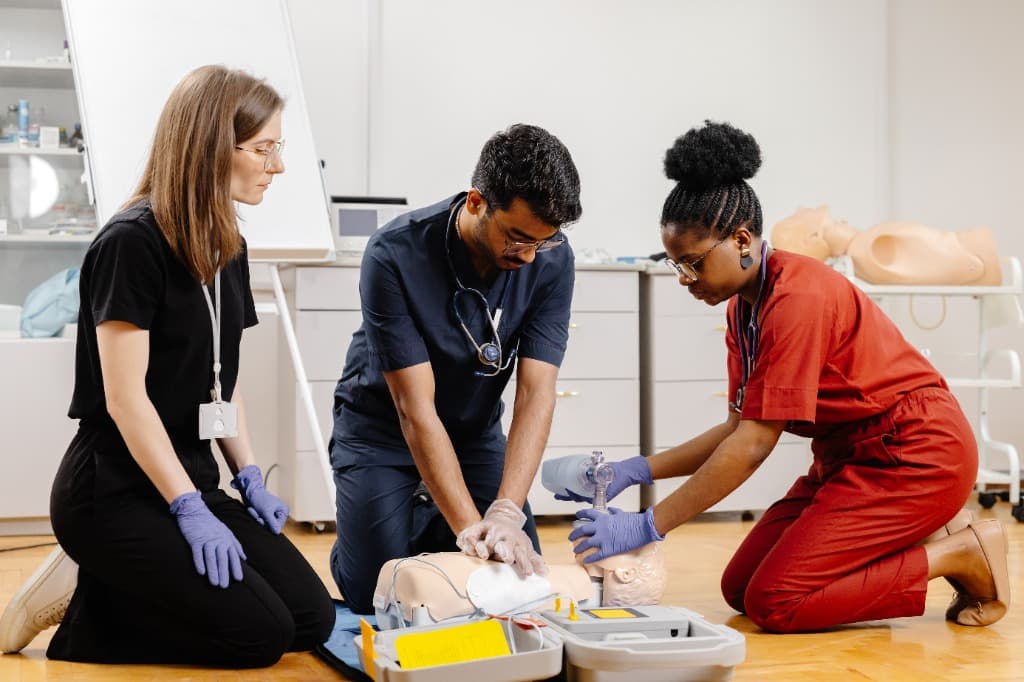
Training topics may include:
Training Note
Training is matched to the learner's role, permitted scope of practice, employer policies, and applicable licensing or certification requirements.
Building a Condition-Ready Care Team
Before assigning personnel to a diagnosis-specific program, Castor may evaluate:
Additional Note: Additional education, skills validation, or supervised orientation may be provided when appropriate.
How the Condition-Based Care Program Works
Referral and Clinical Information Review
Castor receives the referral, diagnosis information, practitioner orders, discharge instructions, medication list, and available clinical records.
Comprehensive Needs Assessment
The appropriate clinical or care professional evaluates the patient's medical, functional, personal-care, equipment, supply, environmental, and caregiver needs.
Individualized Service Plan
Castor identifies the appropriate combination of skilled home health, home care, private-duty nursing, therapy, equipment, supplies, transportation, and caregiver education.
Condition-Appropriate Staff Assignment
Qualified nurses, therapists, aides, and caregivers are matched to the patient's needs. Additional specialty training is coordinated when required.
Equipment and Supply Coordination
Castor Medical Supplies arranges the equipment and recurring products necessary to support the care plan.
Care Delivery and Monitoring
The care team provides authorized services, documents patient progress, monitors changes, and communicates relevant concerns to the appropriate practitioner.
Care-Plan Review
Services are reviewed and adjusted based on practitioner orders, reassessments, patient progress, payer authorization, caregiver input, and changes in condition.
Transition and Continuity Planning
As the patient improves or needs change, Castor coordinates the transition to a different level of care, ongoing maintenance support, community services, palliative care, or hospice when appropriate.
Care Coordination Across Providers
Castor can coordinate authorized care activities with:
This coordinated approach helps reduce gaps between discharge instructions, home services, equipment delivery, medication routines, follow-up appointments, and caregiver responsibilities.
Program Goals and Quality Monitoring
Castor's condition-based programs are designed to support measurable patient-care and operational goals. Depending on the program, quality measures may include:
Individual outcomes cannot be guaranteed. Results depend on the patient's condition, treatment plan, participation, caregiver support, available benefits, and other clinical and environmental factors.
One Organization, One Coordinated Care Experience
Castor Home Health Solutions brings together the services patients may need to remain safely supported at home. Instead of requiring patients, families, facilities, and discharge planners to manage multiple disconnected providers, Castor helps coordinate the complete home-based care experience.
Refer a Patient to Castor
Contact Castor Home Health Solutions to discuss a condition-based care referral, hospital-to-home transition, private-duty nursing need, medical equipment order, caregiver-support plan, or specialty training program.
Care designed around the diagnosis. Services coordinated around the person.